
AI+Product Visualization
An internal innovation project to build a scalable AI-driven product visualization system combining:
Generative AI (Image + Video)
Hybrid CG workflows
Unreal Engine real-time rendering
Structured PSV automation
The objective: redefine how premium fashion products are visualized at scale.
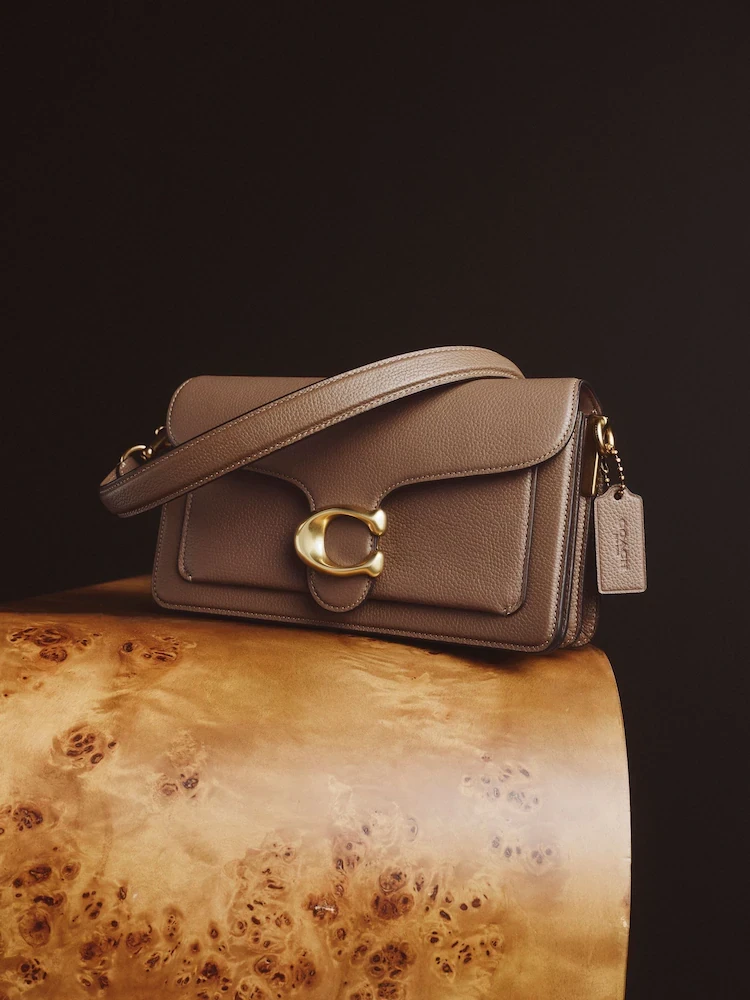
Insight
Pure AI = speed but instability.
Pure CG = control but slow scalability.
The breakthrough insight: Hybridization is the future.
Use:
AI for generation
Unreal for control
Structured prompts for consistency
SOP documentation for scalability
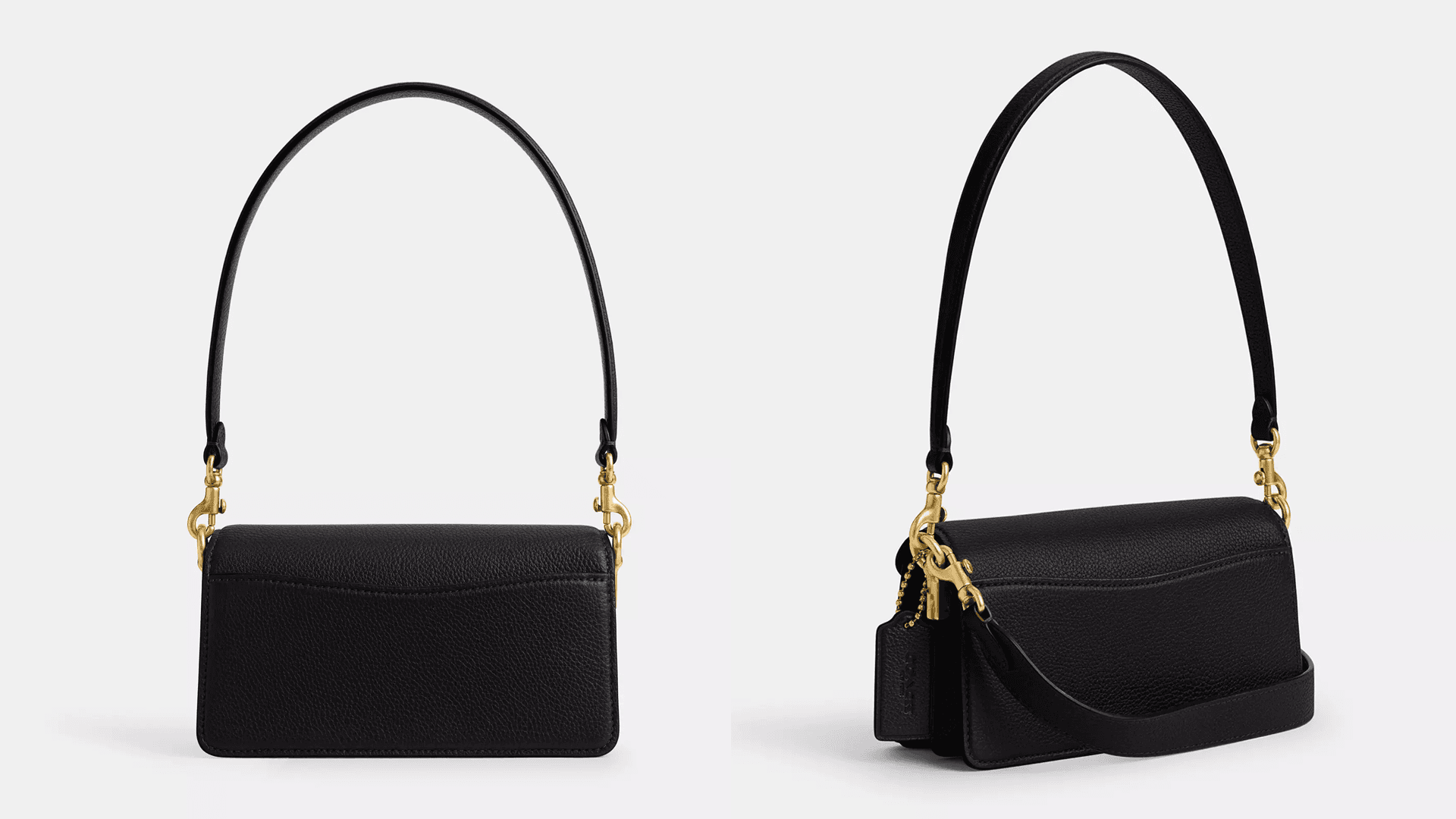
Strategy
Create standardized storyboard template.
Develop prompt libraries (image + video).
Generate base visual assets via AI.
Import/refine assets inside Unreal Engine.
Use Unreal for:
Lighting consistency
Camera motion
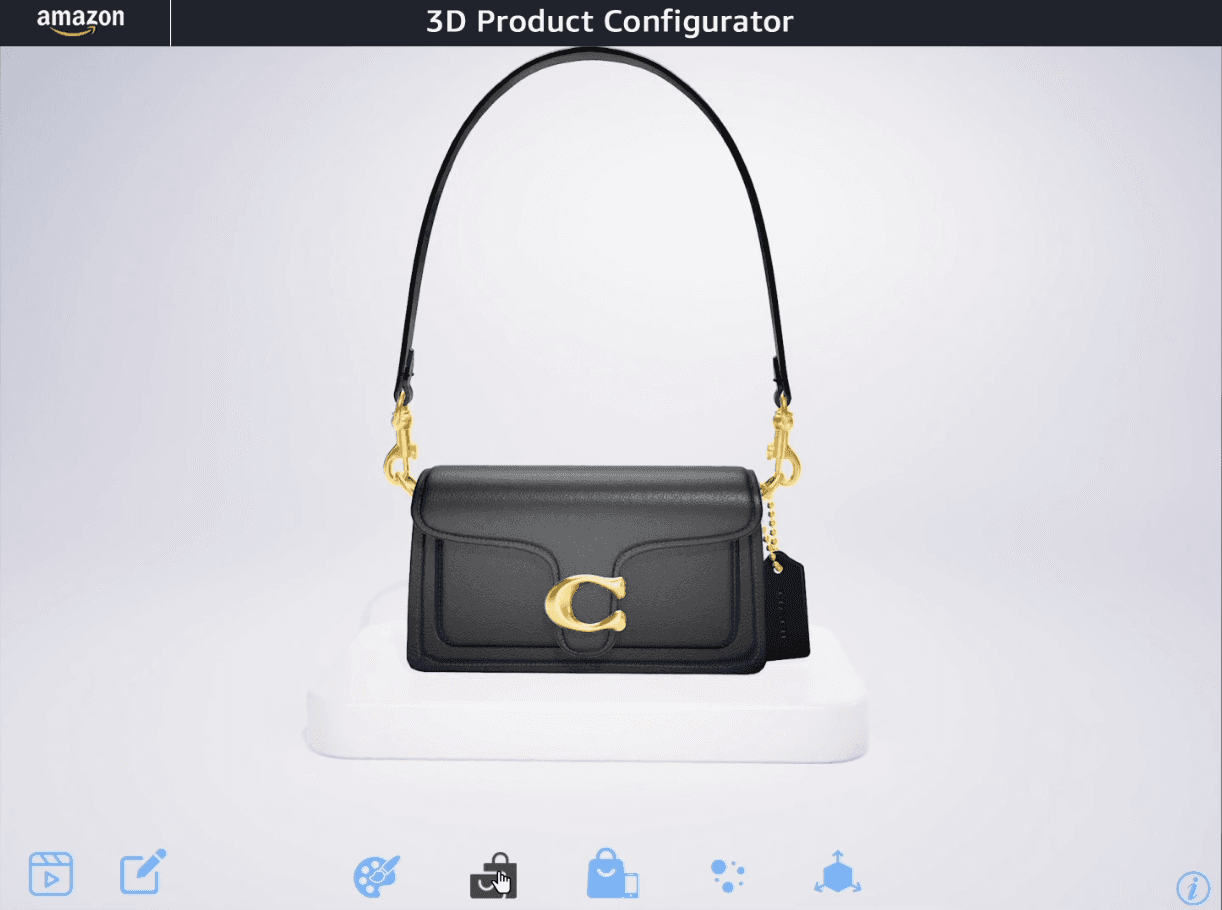
Real-time configurator logic
Assemble PSV sequences.
Structure
Phase 1 – Storyboarding
Intro
Reveal
Texture macro
Feature highlights
360° rotation
Lifestyle shot
CTA
Phase 2 – AI Image Generation
Reference-driven prompting
Negative prompts for artifact control
Inpainting for environment extension
2K resolution baseline
Phase 3 – Unreal Engine Integration
Real-time material calibration
HDRI lighting refinement
Cinematic camera paths
Smooth rotation sequences
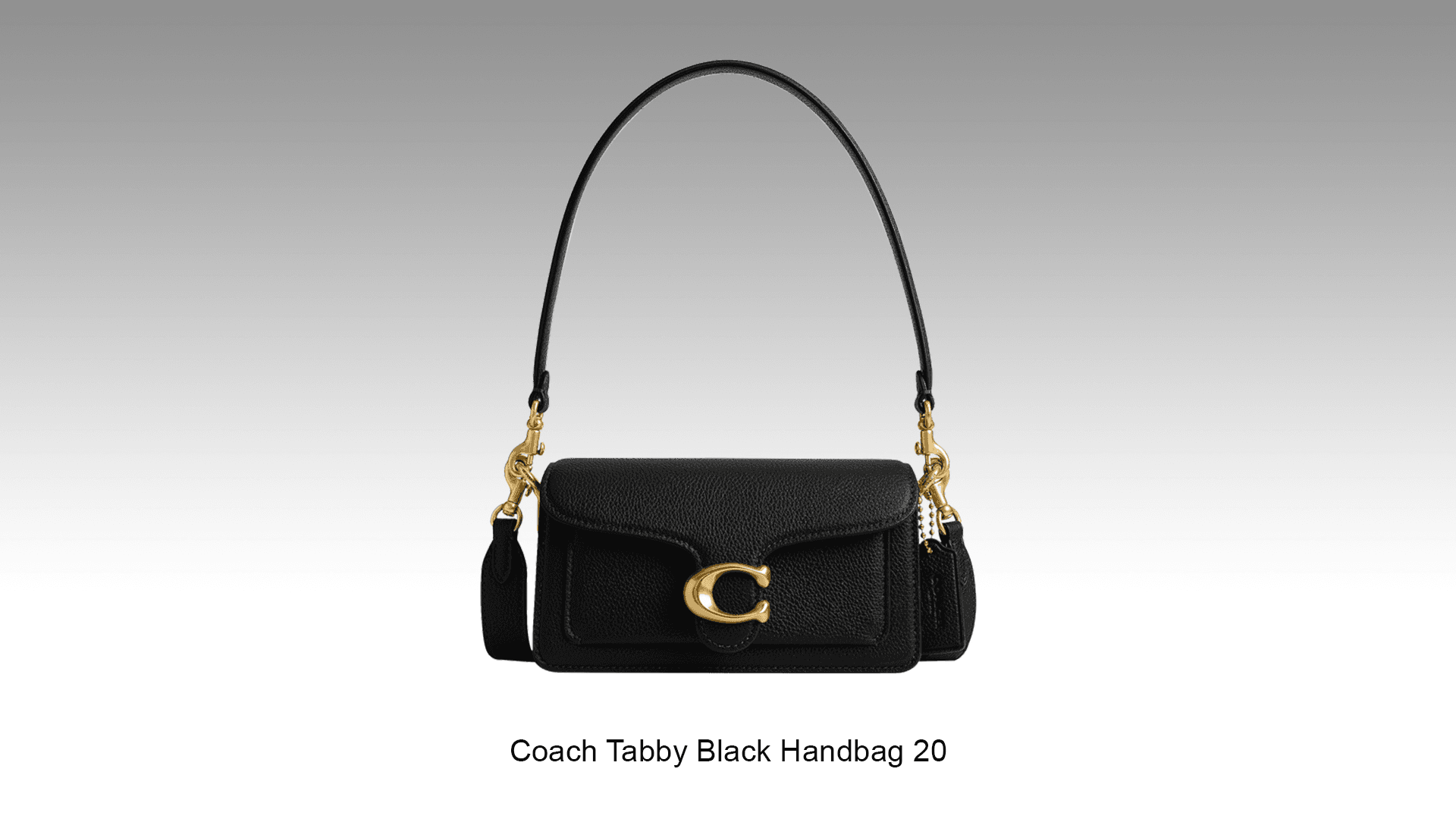
Consistent gold hardware reflections
Phase 4 – Video Generation
AI motion interpolation
Sequencing inside editing pipeline
Style guide compliance validation
Decisions
Used Unreal to avoid AI lighting inconsistencies.
Locked camera rigs for repeatability.
Maintained studio-white baseline for brand compliance.
Standardized prompt syntax across team.
Created modular workflow to scale across categories.
Validation
Compared AI-only vs Hybrid results.
Checked lighting uniformity across frames.
Reviewed artifact presence.
Ensured compliance with PSV duration & quality standards.
Cross-validated product fidelity with PDP images.
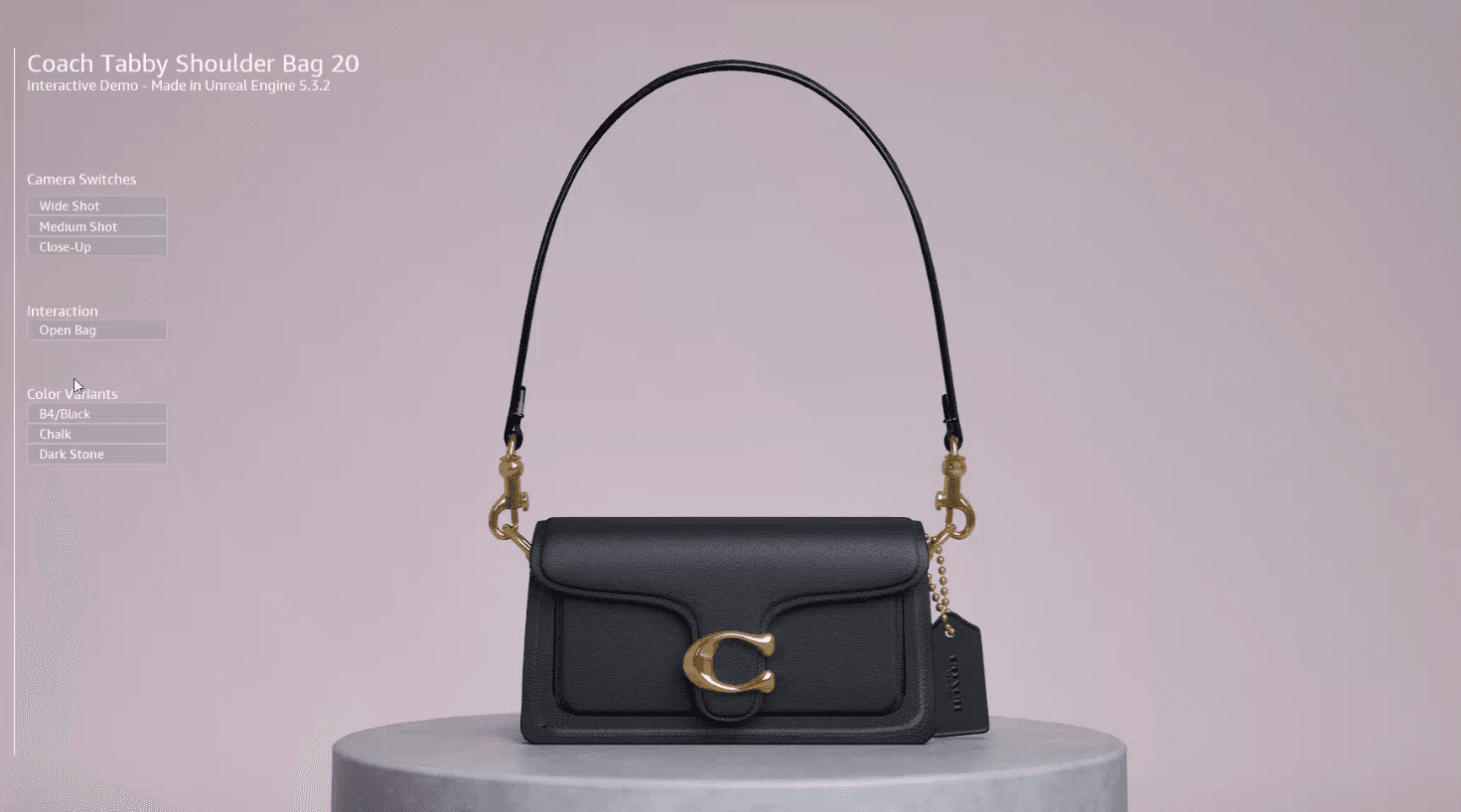
Final Solution
A hybrid AI + Unreal Engine product visualization pipeline capable of generating:
Product summary videos
Configurator visuals
Feature highlights
Lifestyle scenes
With structured SOP documentation for scaling.
Impact
Reduced dependency on fully manual CG production.
Established prompt standardization across team.
Enabled scalable AI experimentation within Amazon guidelines.
Positioned Unreal as a control layer for AI-driven visuals.
Contributed to internal innovation for Digital Studios SWAT team.
Reflection
This project marked a shift from being a 3D artist to becoming a workflow architect.
It reinforced that:
AI needs structure.
Real-time engines provide control.
Systems thinking scales creativity.
The future of product visualization isn’t AI vs CG.
It’s AI + CG + Real-Time.